A hotel PIP renovation is not just a construction project. It is a business-critical process that affects guest experience, room availability, brand compliance, budget control, and revenue.
For hotel owners, operators, and asset managers, the priority is clear: complete the renovation while keeping the property operational.
1. Start With a Clear PIP Scope
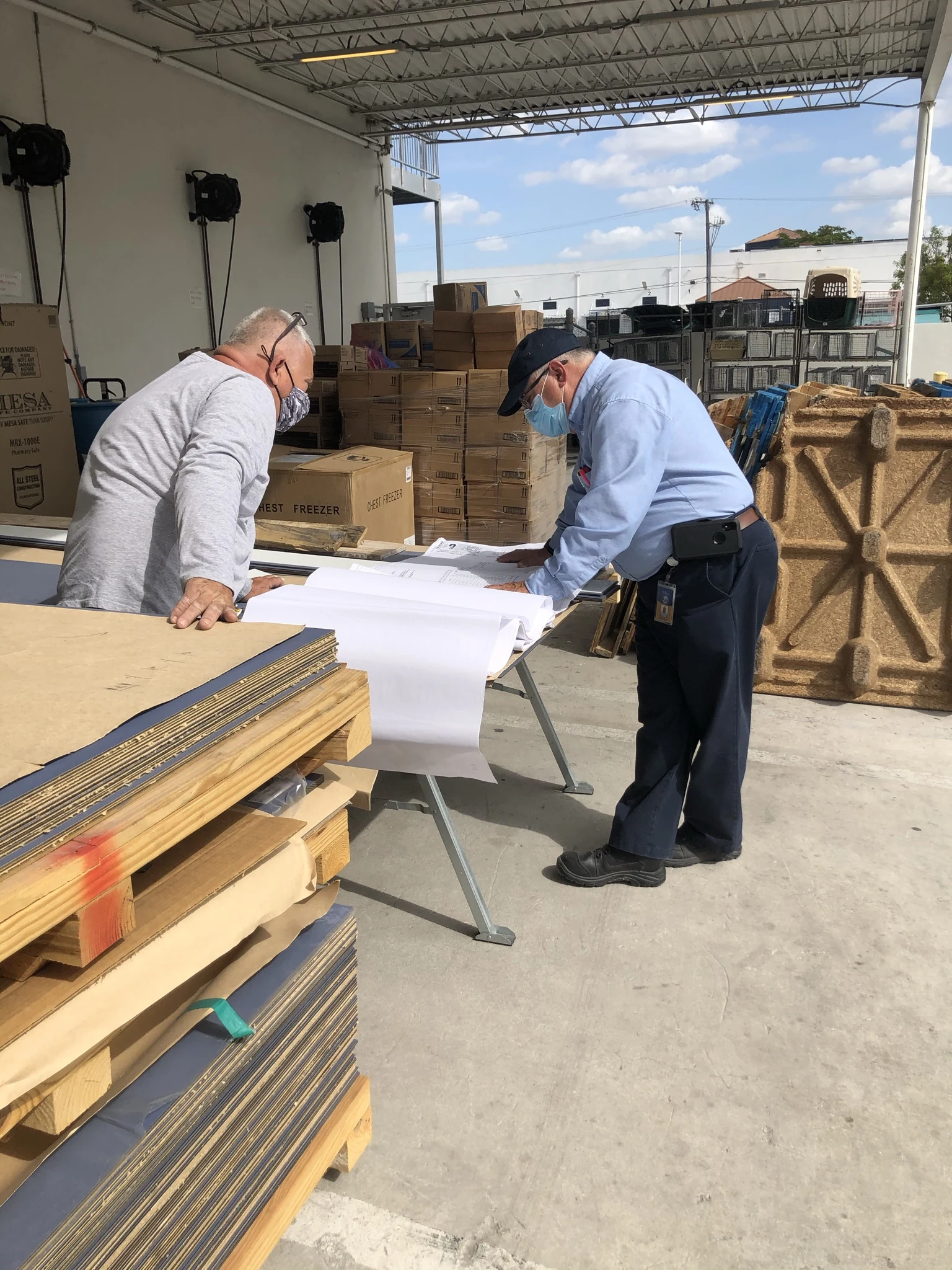
Before construction begins, ownership, management, design teams, procurement, and the contractor must align on the exact scope.
This includes guestrooms, bathrooms, corridors, lobbies, public areas, FF&E, ADA requirements, permits, and brand standards.
A clear scope reduces change orders, schedule delays, and operational surprises.
2. Build the Schedule Around Hotel Operations
Hotels cannot be treated like empty construction sites.
The renovation plan should consider occupancy, guest movement, housekeeping, deliveries, events, and peak demand periods.
Phased construction helps keep rooms available and limits disruption to guests and staff.
3. Protect Guest Experience
Noise, dust, blocked corridors, and poor communication can damage guest satisfaction.
A strong PIP plan should include:
Noise control
Dust containment
Clear work zones
Daily cleanup
Safe material movement
Coordination with hotel management
The goal is simple: make construction as invisible as possible.
4. Coordinate FF&E Early
FF&E delays can keep completed rooms offline.
Furniture, fixtures, and equipment should be coordinated with construction milestones, delivery windows, storage, installation, and final punch-list work.
The real finish line is not construction completion. It is when the room is ready to sell.
5. Choose a Contractor With Occupied Hotel Experience
A hospitality contractor must understand that the property is a live business.
The right partner should know how to manage PIP execution, brand compliance, guest impact, safety, ADA upgrades, FF&E logistics, and active hotel operations.
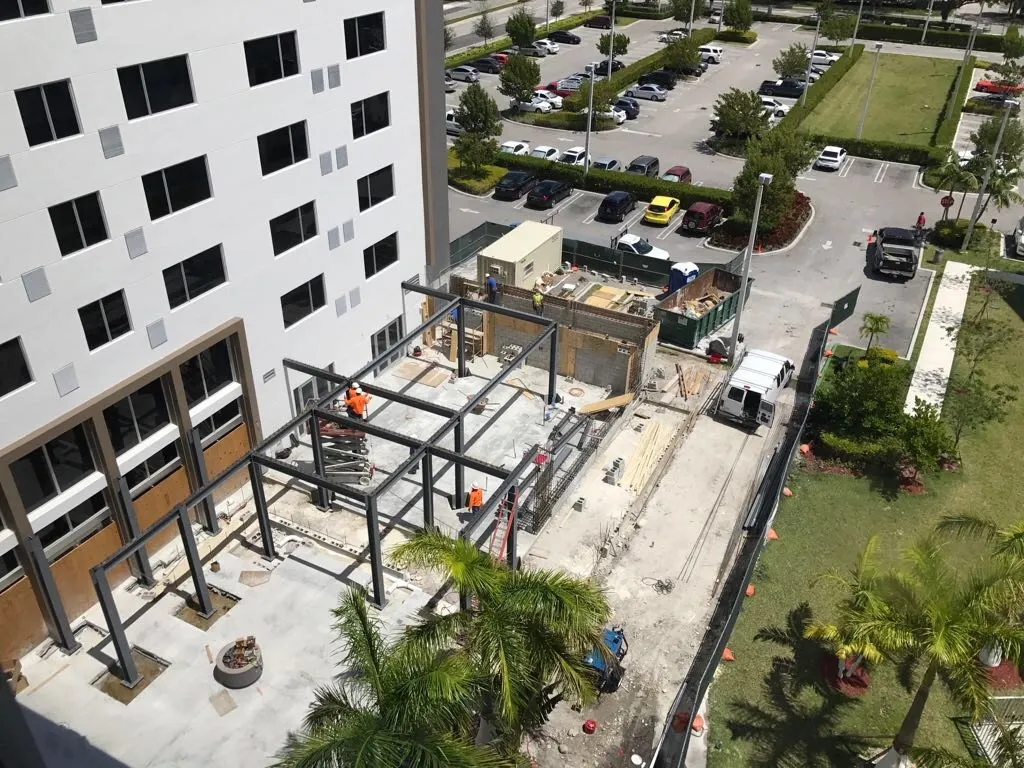
Miliani Construction has delivered hotel renovation and PIP projects across South Florida, including occupied-property renovations for Marriott and Sonesta-branded hotels.
Conclusion
A successful hotel PIP renovation protects both the asset and the business behind it.
With the right planning, phasing, and construction partner, hotel owners can upgrade their property while maintaining operations, protecting guest experience, and meeting brand standards.